Rehabilitation
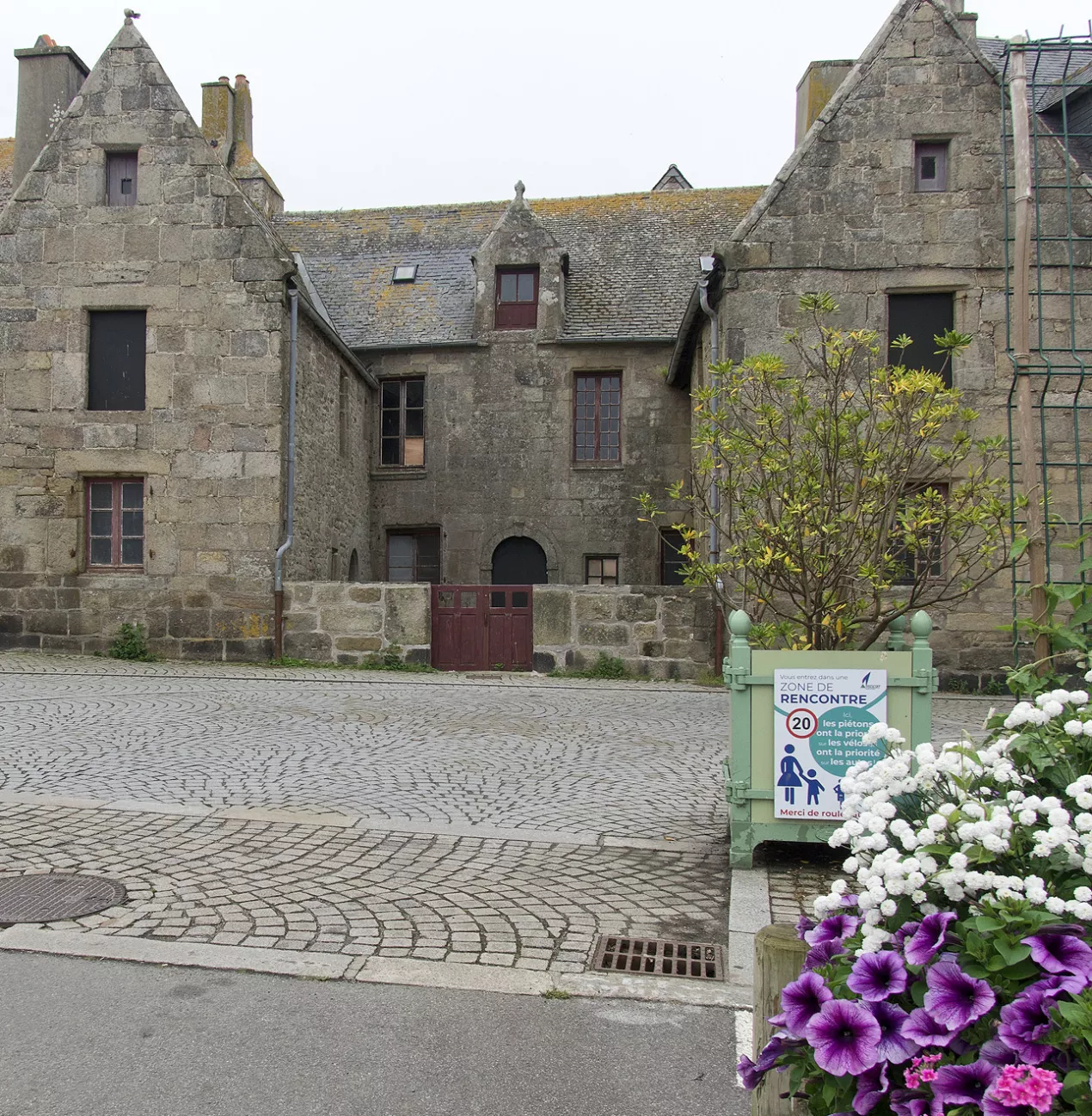
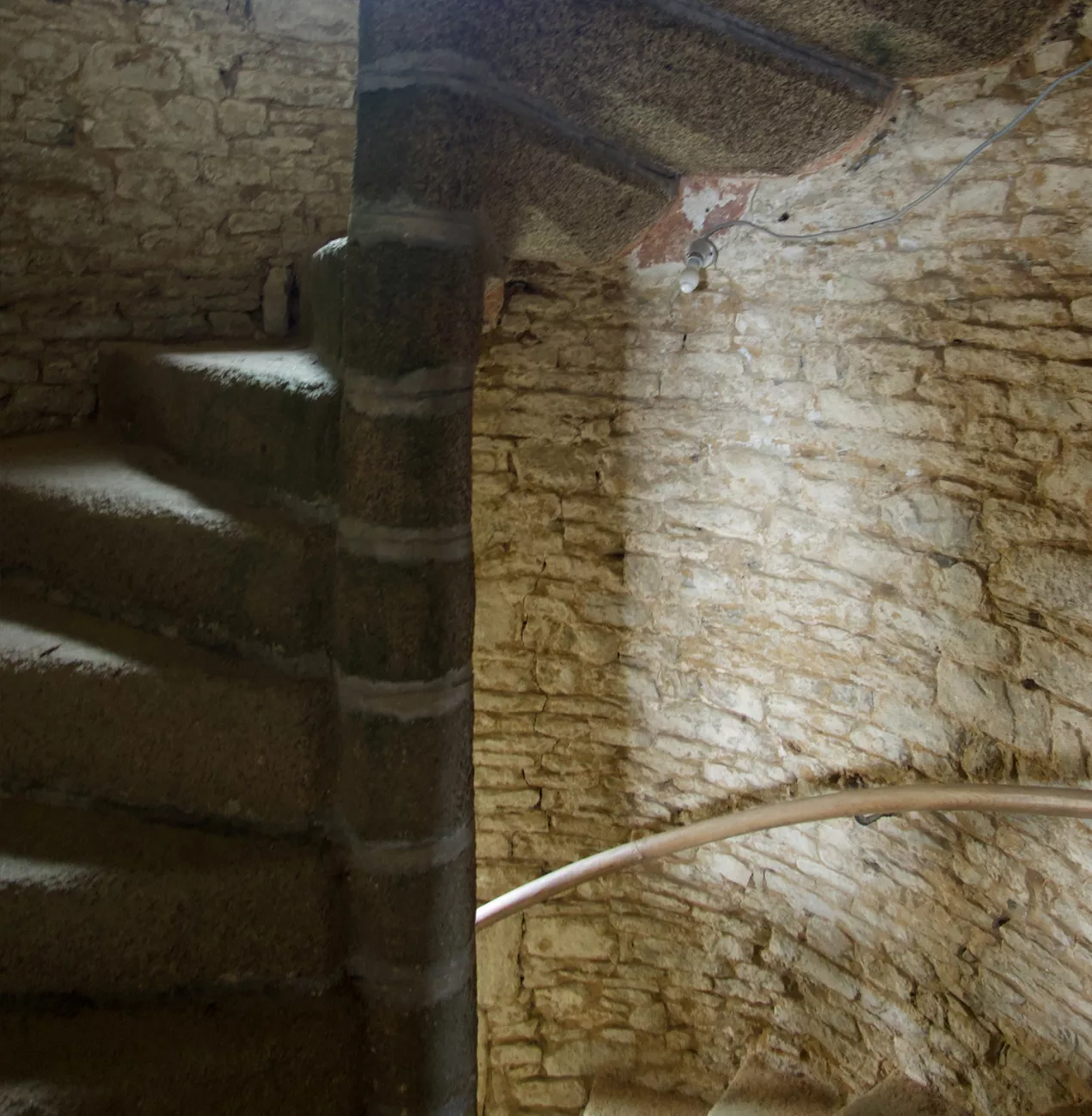
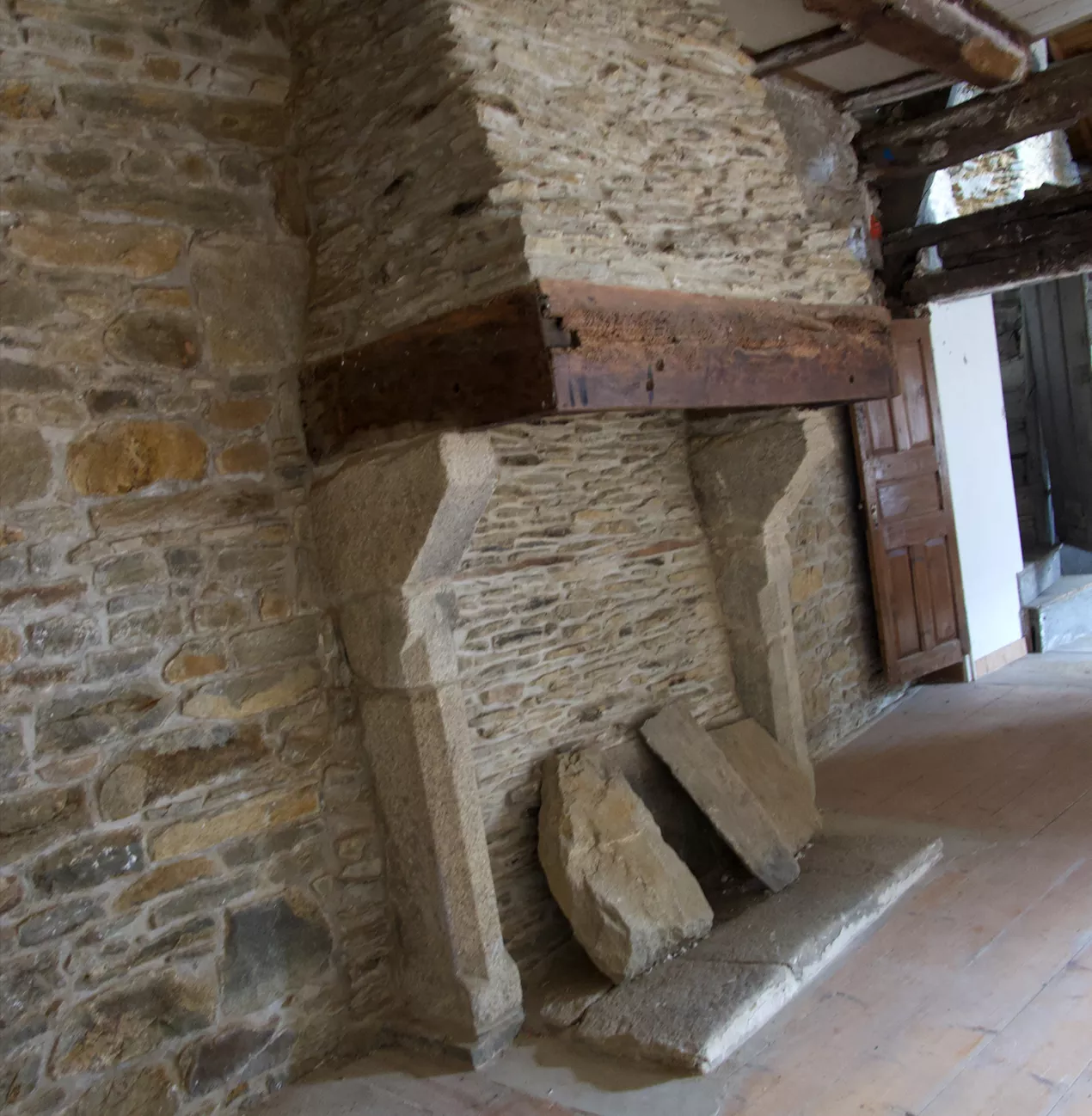
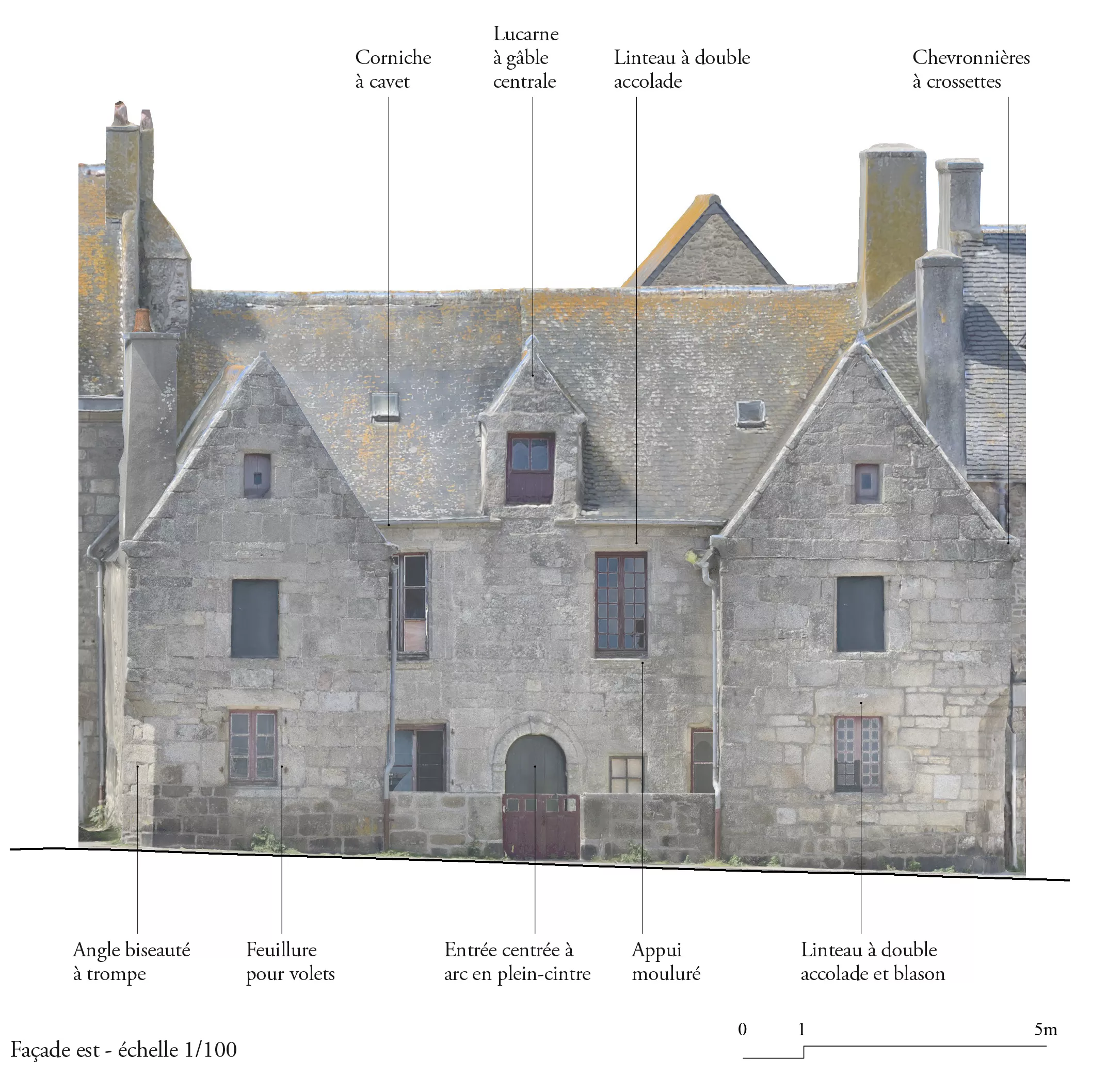
Within the street-side courtyard, the facade of the main building features a central entrance with a semicircular arch that appears to have been altered. This facade incorporates a hanging dormer window and five bays, four of which are topped by a lintel decorated with a double ogee and a moulded cornice segment. The rear facade consists of an entrance with a basket-handle arch, as well as bays of different sizes and mouldings, indicating significant reworking of the masonry. The gable bays on the street side include rebates that once housed shutters, a domestic feature now missing. Only the north wing, the older of the two, has a window with a double ogee lintel and a coat of arms, though this may have been repurposed.
The monument is locally unstable, generally dilapidated and out of use. In other words, it is at risk.
The deterioration of floors, masonry and the roof structure, as well as the condition of the exterior works, call for large-scale interventions and a global vision to sustainably restore and enhance the building.
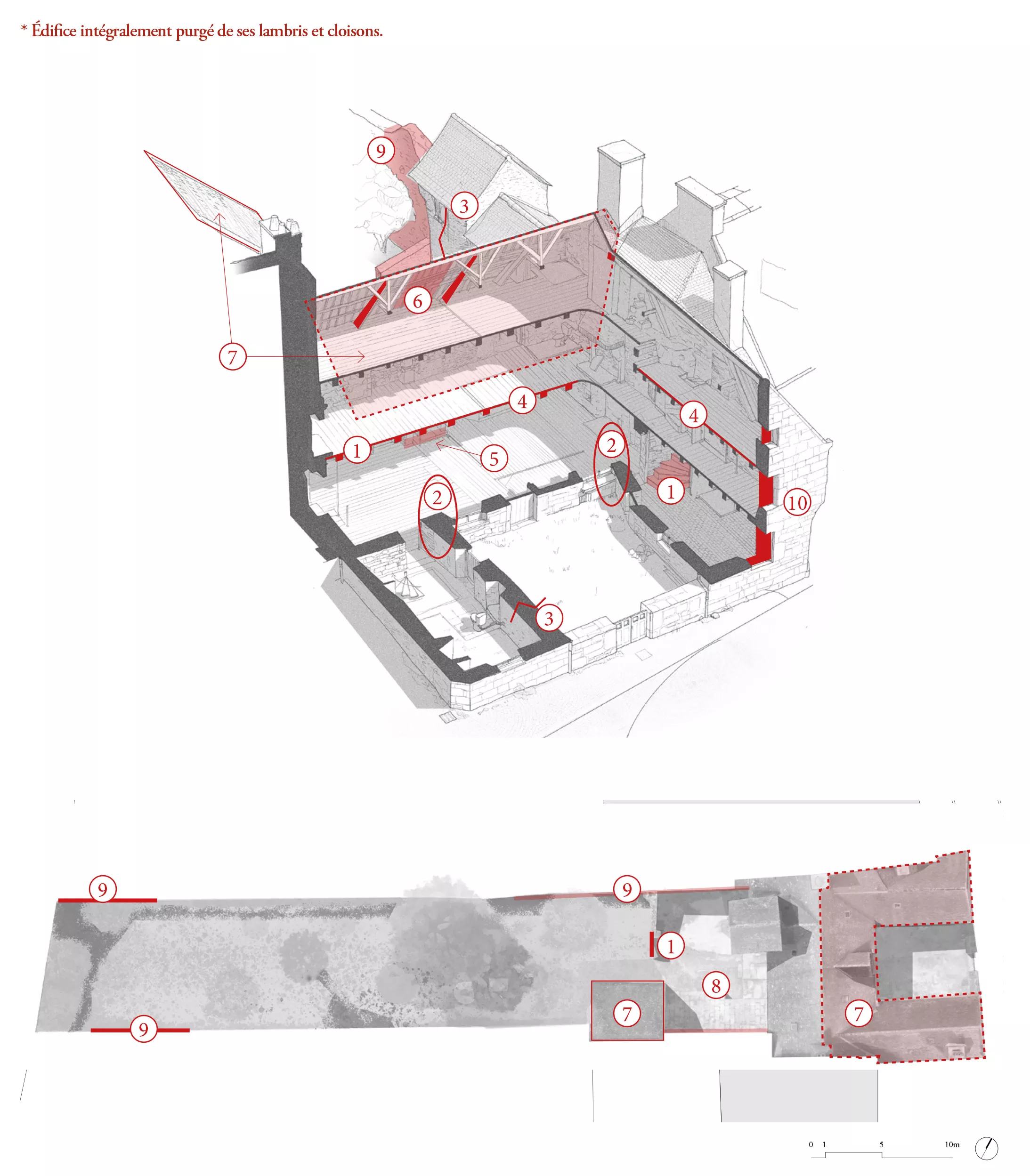
- Unstable and dangerous structures.
- Structural instability at the junction of the wings and the main body.
- Through-cracks in the masonry.
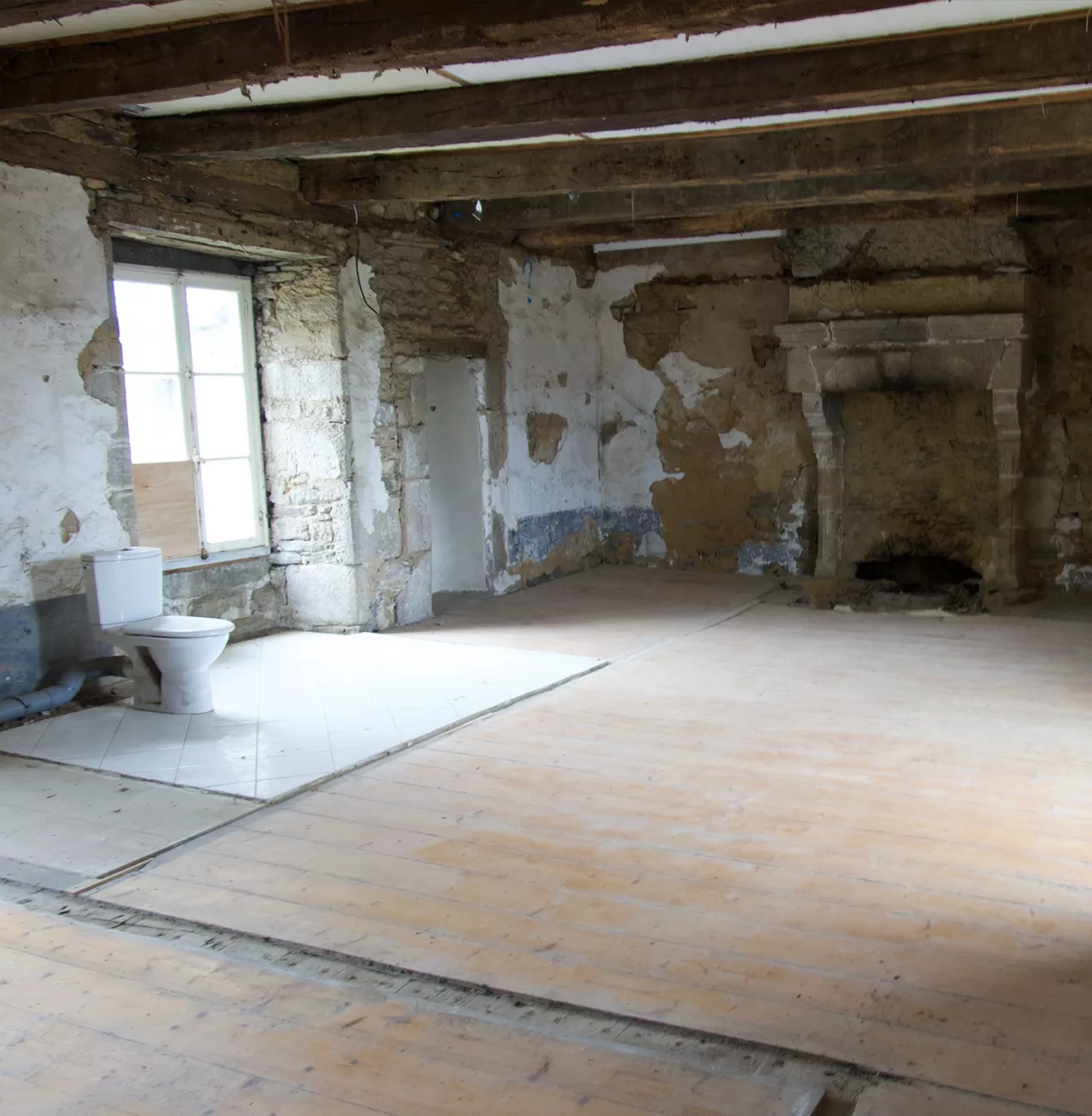
- Unstable floors, with rotten embedded joists that have been temporarily reinforced. Decorative features at risk, damaged by woodworm.
- Large openings in the garden-side wall, with insufficiently sized and unstable support structures.
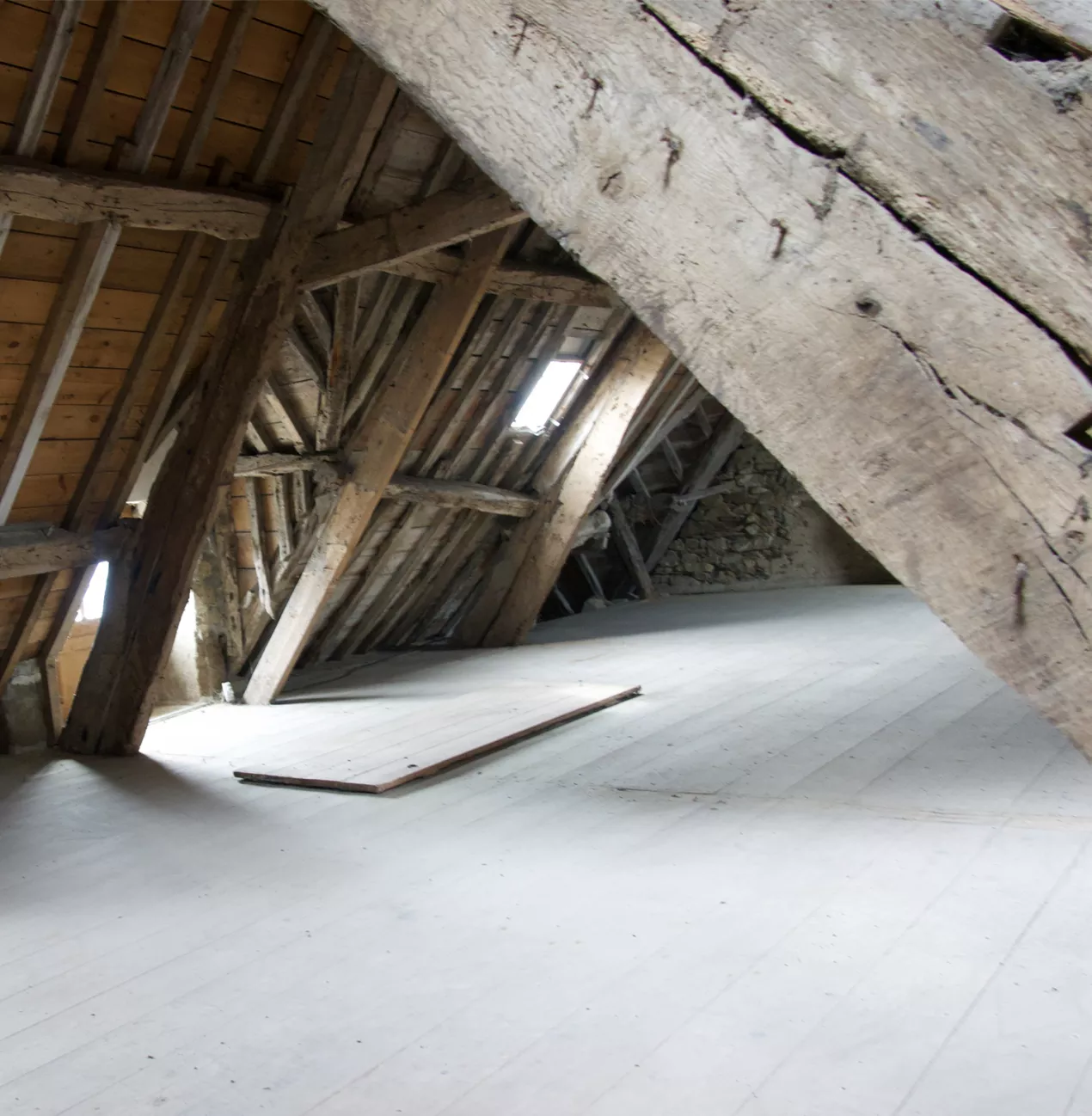
- The roof framework, made up of old elements often repurposed, is in an unsatisfactory state: degraded by pests, reinforced inadequately or insufficiently sized. Restoration is required.
- Heterogeneous roofing with varied installation methods.
- Poor slope management and inconsistent installation methods on the garden side.
- The boundary walls, unstable, show irregular tops overgrown with vegetation.
- Joinery removed, unusable, or sometimes dilapidated. prior to opening to the public.
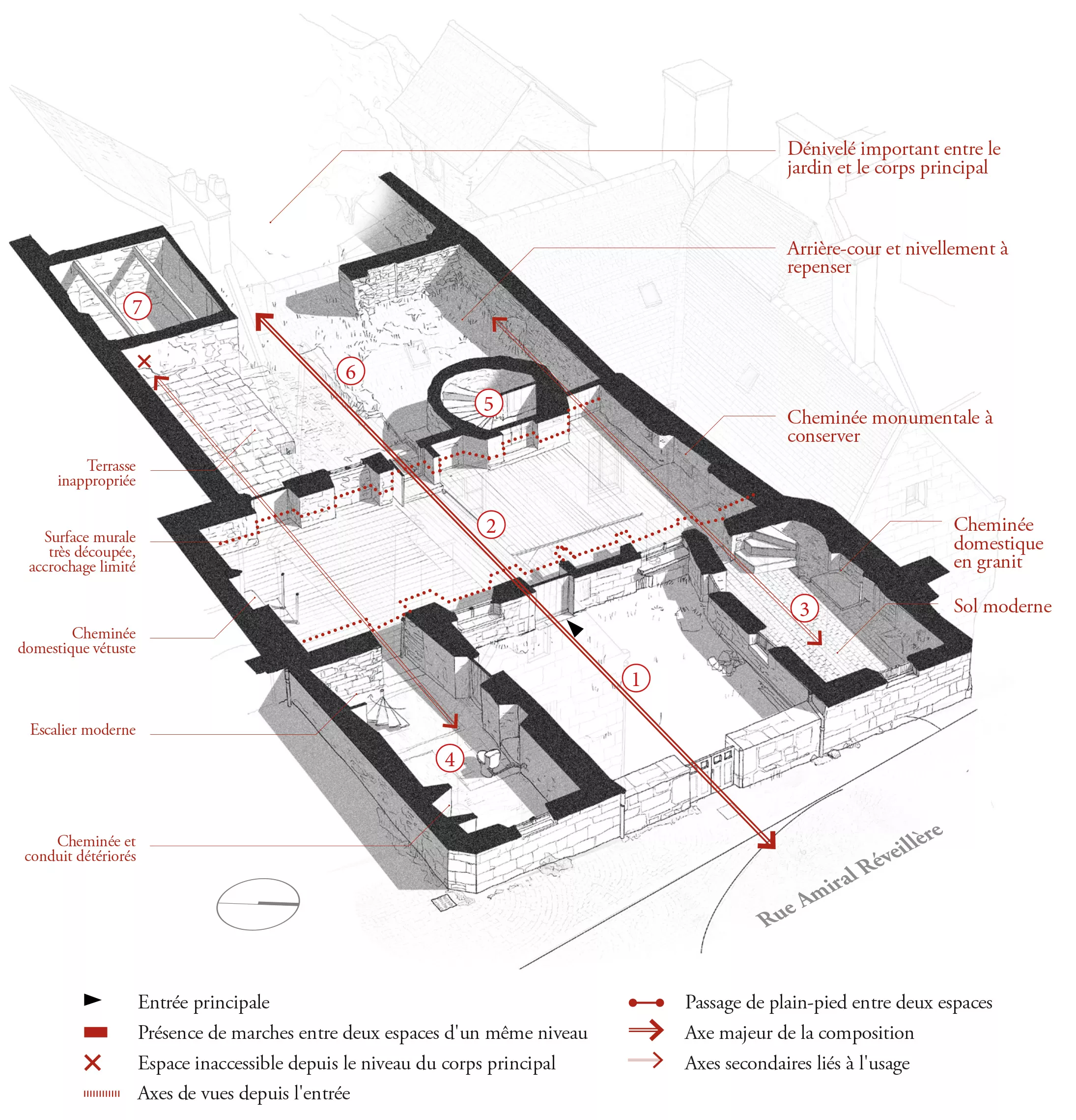
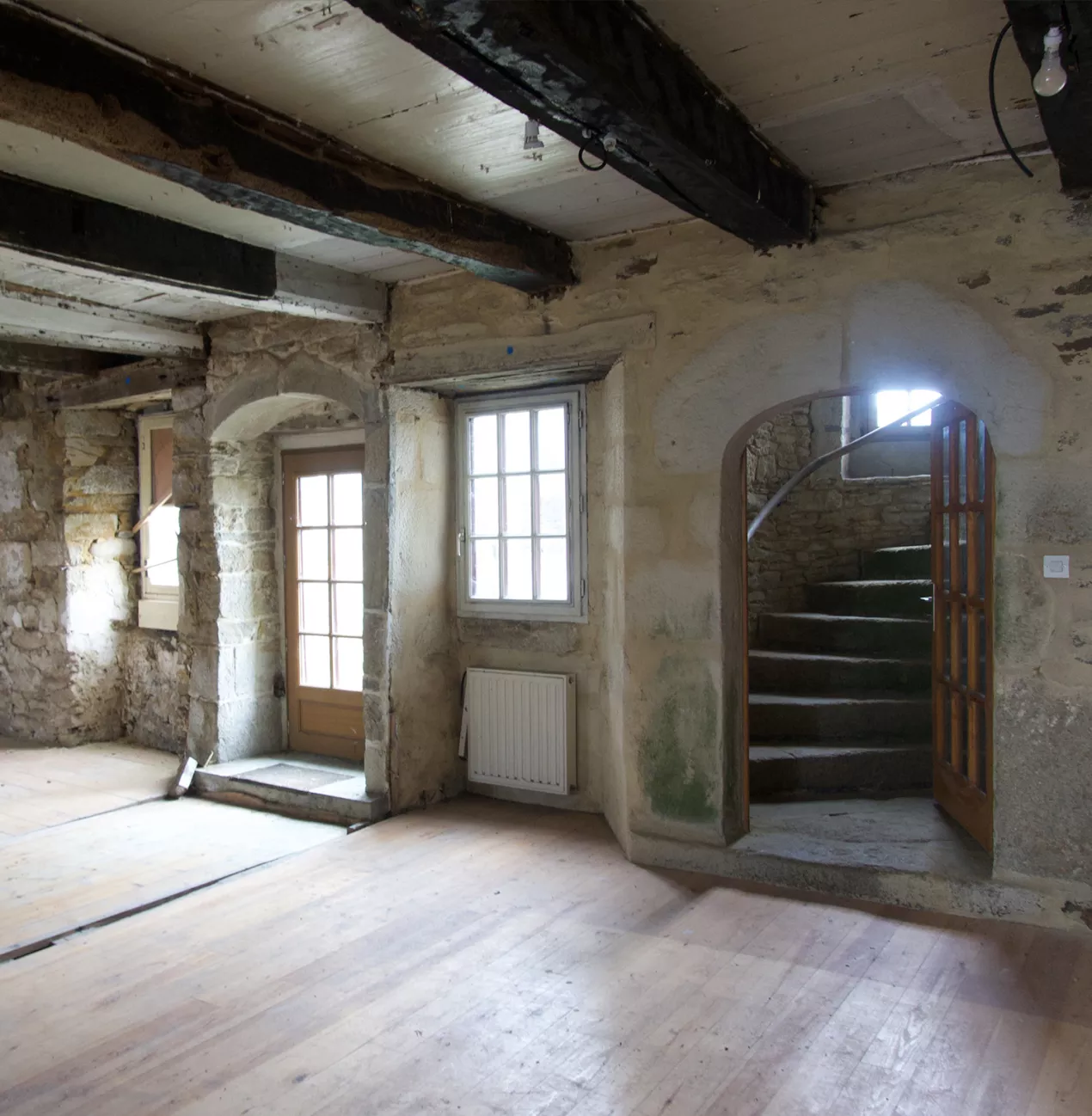
The ground floor rooms have several floor levels, limiting accessibility to the building. However, the richness of the courtyard accesses (front and rear) suggests solutions that respect the heritage qualities of the building. The relationship to the public space and the garden are the major assets of this location, which extends the Quai Parmentier in depth.